

Reviewed · LANDMARK ISLAND FERRY TICKETS
Cape Town: Robben Island ferry ticket with guided tour
History feels close here. This four-hour Robben Island tour combines a scenic ferry crossing with a former prisoner’s firsthand account of life under Apartheid. I like the chance to see Nelson Mandela’s cell and hear the story from someone who experienced the prison personally. I also like that the ferry ride gives you fine views of Cape Town and Table Mountain from the water.
The main drawback is the pace. Recent departures have felt rushed, with crowded buses and little chance to get off during the island drive. At $74 per person, I think the experience is worthwhile for its historic importance, but you should be ready for a busy, tightly managed outing rather than a slow, quiet visit.
Key points to know before you go
- A former political prisoner leads the island story, giving the tour a personal voice that a standard museum guide cannot match.
- The ferry takes about 30 minutes each way, with views back toward Cape Town and Table Mountain.
- Nelson Mandela’s cell is the emotional high point, but the visit also includes the Lime Quarry, Robert Sobukwe’s house, and the leprosy graveyard.
- The full experience lasts about four hours, beginning and ending at the Nelson Mandela Gateway beside the V&A Waterfront Clocktower.
- Crowding can affect the bus section, so an aisle seat may offer a better chance to see and hear what is happening.
- The tour is conducted in English and is wheelchair accessible, but people prone to seasickness should think carefully before booking.
Starting at the Nelson Mandela Gateway
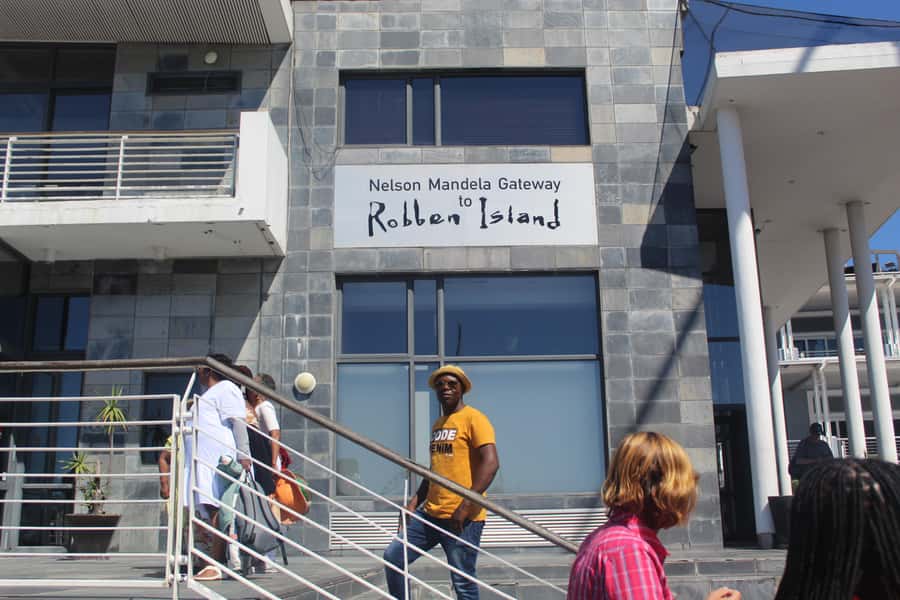
You begin at the Nelson Mandela Gateway to Robben Island, beside the Clocktower at the V&A Waterfront. This is both the meeting point and the ferry terminal, so you do not need hotel transport as part of this experience. You make your own way there, then return to the same place at the end.
I like this setup because the location is easy to combine with time at the waterfront. Still, allow yourself enough time to find the terminal and get organized before departure. The tour has a set schedule, and missing the ferry would create a serious problem.
Bring your passport or ID card. You should also wear comfortable clothes and take a jacket. The jacket matters even if Cape Town feels warm at the waterfront, since conditions on the ferry can feel cooler and windier than on land.
The tour is in English, with a live guide. It is also listed as wheelchair accessible, which makes it more practical for many people than older island excursions with limited access arrangements. If you have specific mobility needs, it is still sensible to confirm the details when booking.
More Landmark Island Ferry Tickets in Cape Town:
- Cape Town: Robben Island Ferry Ticket and Guided Prison Tour
★ 4.1 · 1,792 reviews - Cape Town: Robben Island Ferry Tour with 1-Way Hotel Pickup
★ 4.2 · 1,380 reviews - Cape Town: Robben Island Ferry Ticket and Townships Tour
★ 4.5 · 400 reviews
The 30-minute ferry ride to Robben Island
The ferry crossing takes about half an hour. It is not just transport. It gives you time to look back at Cape Town from the water and see Table Mountain from a different angle.
I enjoy this part because it creates a physical separation between the modern waterfront and the prison island. You leave the cafes, shops, and harbor behind, and the subject of the visit begins to feel more serious. The crossing also gives you a chance to settle in before the guided portion begins.
Sea conditions can affect your comfort. The activity specifically warns that it is not suitable for people prone to seasickness. If that is you, this may be the wrong outing, or at least one where you should prepare carefully before boarding.
The ferry ride is fairly short, but the round trip takes up about an hour of the four-hour schedule. That is useful context when comparing this outing with a land-based museum visit. You are paying for the boat crossing, the island transport, the guide, and access to the prison site, not four full hours inside the prison itself.
Seeing the island beyond the prison
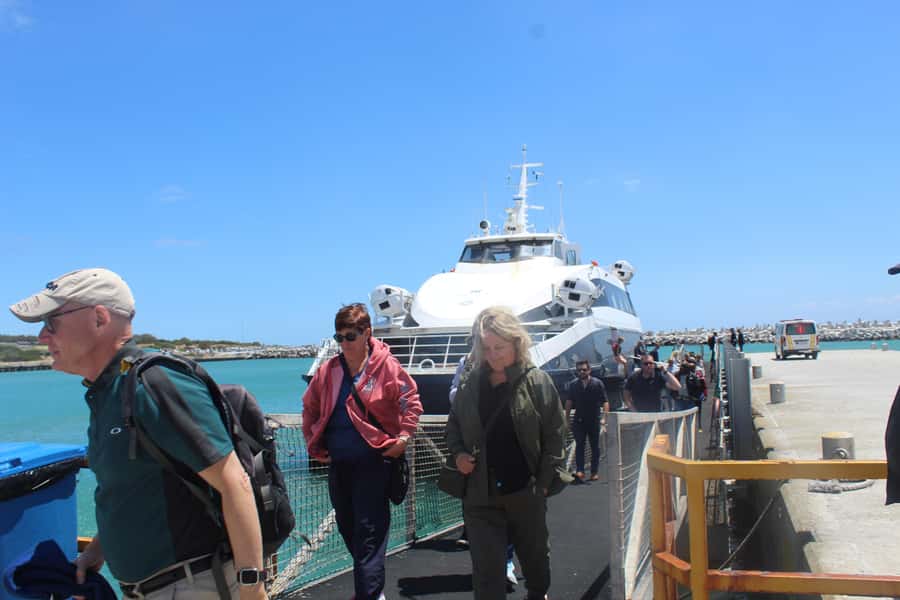
Once you reach Robben Island, the tour covers several places connected with the island’s changing past. The stops include a leprosy graveyard, the Lime Quarry, Robert Sobukwe’s house, and the maximum security prison.
The leprosy graveyard points to an earlier period when the island was used to isolate people with leprosy. It reminds you that Robben Island’s story began long before the Apartheid prison became its best-known chapter. This stop broadens the visit beyond Nelson Mandela and shows how the island served different purposes over time.
The Lime Quarry is tied to the harsh labor imposed on political prisoners. It is an important place because the work itself formed part of the punishment. The quarry also helps you understand that imprisonment was not only about confinement behind walls. Physical labor and demanding conditions were part of daily life.
Robert Sobukwe’s house adds another personal layer. Sobukwe was an important anti-Apartheid figure, and seeing the place connected with him gives the island’s political story more than one central character. I appreciate this part of the route because it keeps the tour from becoming only a Nelson Mandela memorial.
The maximum security prison is the main setting for the final part of the visit. The building carries the weight of the island’s political past, but the quality of the experience depends partly on how much time your guide has at each stop.
Learning from a former prisoner

The most powerful feature is the guide’s personal connection to the prison. A former political prisoner shares what life was like under Apartheid and explains the island through lived experience.
That changes the tone of the visit. You are not only looking at buildings and hearing dates. You are listening to someone who knew the restrictions, routines, and pressures of imprisonment firsthand. I find that kind of storytelling especially valuable at places where a label or display can never explain the full human cost.
The guide’s role is also practical. The island has several locations, and it helps to have someone connect them into one clear story. You can expect the guide to explain what you are seeing as the route moves from the island’s earlier uses to the prison and its political history.
The pace, however, can be quick. One recent departure was described as rushed, with a guide who was informative but moved through the material rapidly. If you want long pauses for reflection or detailed questions at every stop, this may feel compressed.
Try to stay close enough to hear clearly, especially during outdoor explanations. The tour is conducted in English, and the information comes through the live guide rather than a self-guided audio system.
More Island Ferry Trips in Cape Town:
- Cape Town: Robben Island Ferry with Prison Ticket and Tour
★ 4.0 · 324 reviews - Robben Island Ferry Ticket and Guided Prison Tour
★ 3.0 · 160 reviews - Cape Town: Robben Island ferry ticket plus Guided Tour
★ 3.3 · 37 reviews - Cape Town-Robben Island Ferry Ticket and Guided Prison Tour
★ 3.5 · 7 reviews
Nelson Mandela’s former cell
The prison cell associated with Nelson Mandela is the moment many people have come to see. The space is simple, spare, and difficult to separate from the years Mandela spent imprisoned on the island.
I think the value lies in the contrast between the small physical space and the global importance it now carries. You are not seeing a grand memorial hall. You are seeing a prison cell, and that plainness makes the visit more affecting.
The stop also works best when you understand that Mandela’s story is part of a wider political struggle. The tour places his imprisonment beside the experiences of other prisoners, the Lime Quarry, the prison complex, and the former inmate’s account. That wider setting gives the cell more meaning.
Do not expect a long private visit. The entire island program is organized around a fixed schedule, and crowds can affect how much time you have at each place. You may need to listen carefully and take in the scene without lingering as long as you wish.
The crowded bus ride around the island
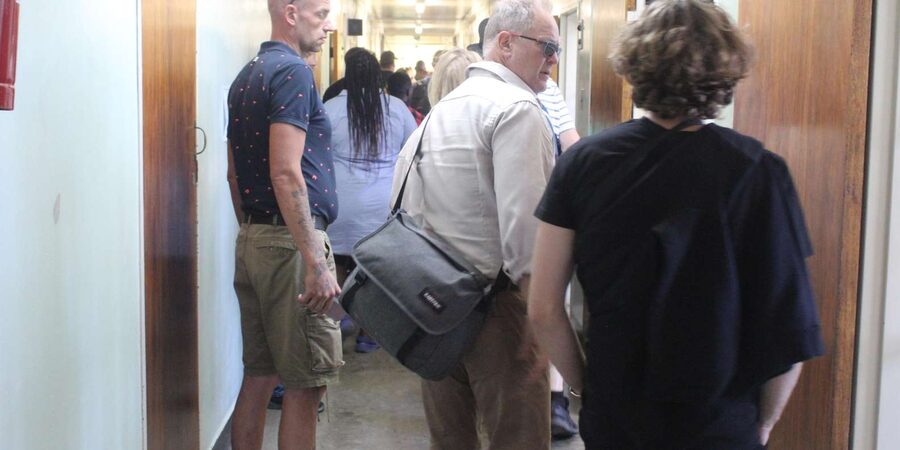
The island portion includes bus transport between major sites. This is convenient because Robben Island is spread out, and a bus lets the group cover more ground within four hours.
The tradeoff is comfort. A recent departure felt overcrowded, with passengers packed onto the bus and limited chances to get off. If you get an aisle seat, you may have a better view and be able to hear the guide more clearly. A window seat might sound preferable for scenery, but the practical issue is whether you can see past other passengers.
This is the part of the experience most likely to frustrate you. The island itself deserves time, yet the schedule can feel tightly packed. The bus is useful for covering distance, but it can also make the tour feel like a group being moved from one stop to the next.
I would not book this tour expecting a flexible hop-on, hop-off visit. You follow the planned route and stay with the group. That structure keeps the outing manageable, but it limits personal exploration.
Is the $74 price fair?
At $74 per person, this is not a cheap sightseeing ticket. The price includes the ferry to and from the island, the guided island tour, the prison visit, and a live English-speaking guide. Food, lunch, hotel pickup, and hotel drop-off are not included.
I see the value in the personal guide and the ferry access. The former prisoner’s account gives the visit an authenticity that is hard to reproduce with a printed guide, and the ferry adds an important sense of place. You are also visiting a site of major importance in South African history, not simply taking a harbor cruise.
The value is weaker if you judge the tour by comfort and free time. Crowded buses, a rushed schedule, and limited chances to get off can make $74 feel high, especially for someone who prefers independent visits.
For me, the price makes the most sense if Robben Island is a priority during your Cape Town stay. If you have limited time and want the major sites covered in one organized outing, the package is convenient. If you mainly want a relaxed boat trip or broad views of the coast, this is not the right use of your money.
Timing, cancellations, and practical comfort
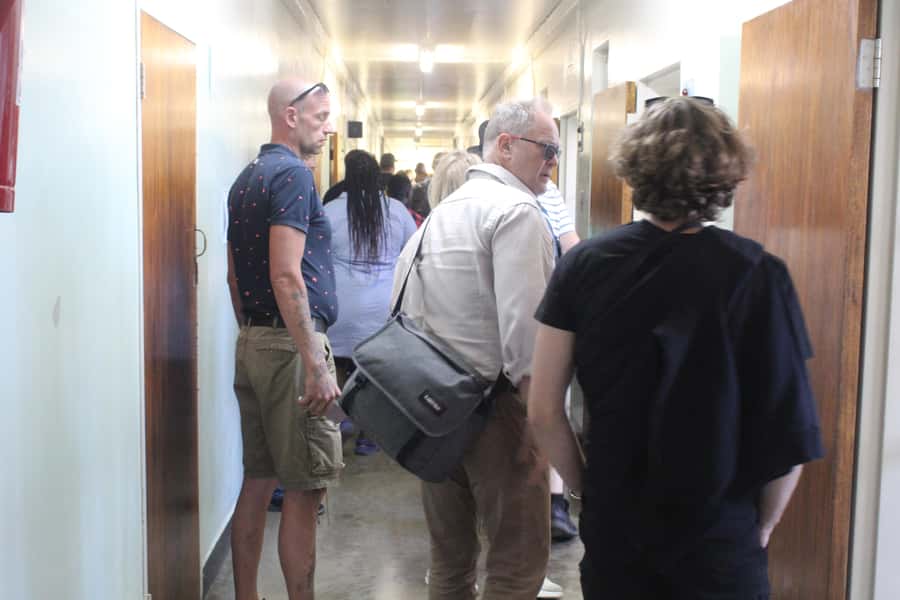
The full experience takes about four hours, including the ferry ride in both directions. Starting times vary, so you need to check availability for the date you want.
One important caution is scheduling reliability. A 9 a.m. departure was cancelled without notice for one booking, forcing a change of plans. That does not mean every departure will be cancelled, but I would avoid placing another time-critical activity immediately afterward.
The activity allows free cancellation up to 24 hours before departure for a full refund. You can also reserve now and pay later, which helps if your Cape Town plans are still shifting.
Bring your passport or ID card, a jacket, and comfortable clothing. Food is not included, so plan your meals around the four-hour outing. The experience begins and ends at the Nelson Mandela Gateway, making it simple to continue your day at the V&A Waterfront once you return.
Who will appreciate this tour most?
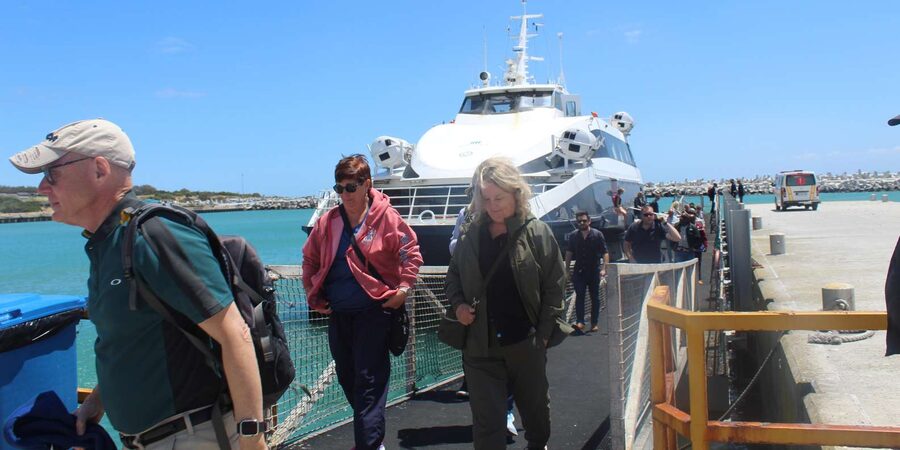
I would recommend it most strongly to you if you want historical context and personal testimony, not just photographs. The former prisoner guide is the main reason to choose this organized visit.
It suits first-time visitors to Cape Town who want Robben Island handled in one package. It also suits people who value a clear route and live explanation more than the freedom to explore alone.
You may want to reconsider if you dislike boats, struggle with seasickness, or need a slow pace. The island bus can be crowded, and the schedule may leave little room for quiet reflection. Families and older visitors should also think about how comfortable they are with a four-hour outing that includes ferry travel and group transport.
The tour is wheelchair accessible, which is a useful point in its favor. Still, accessibility can involve details that vary from person to person, so it is wise to confirm what you need before booking.
Should you book the Robben Island tour?
I would book this tour if you want to understand Robben Island through its political prisoners, especially Nelson Mandela, and you value hearing from someone who lived through that system. The prison cell, Lime Quarry, Robert Sobukwe’s house, and the former inmate’s account give the visit real weight.
I would skip it if your priority is comfort, open space, or a flexible schedule. The 4 out of 5 rating from 61 reviews reflects the same balance I see here: the subject matter and guide can be excellent, while organization, cancellations, and crowded transport can let the experience down.
My practical advice is simple: book it on a day when you can stay flexible, bring a jacket, arrive prepared at the Nelson Mandela Gateway, and do not schedule anything important right after you return. If Robben Island matters to you, the personal testimony and access to Mandela’s cell make the $74 worthwhile. Just expect a serious, structured tour, not a leisurely island outing.
FAQ
Where does the Robben Island tour start?
The tour starts at the Nelson Mandela Gateway to Robben Island at the V&A Waterfront, next to the Clocktower.
How long does the experience last?
The full experience lasts about four hours, including the ferry journey to Robben Island and the return trip to Cape Town.
Is the ferry ticket included?
Yes. The ferry ticket to and from Robben Island is included in the experience.
Is Nelson Mandela’s prison cell part of the tour?
Yes. The tour includes a visit to Nelson Mandela’s former prison cell.
Who leads the guided tour?
A live English-speaking guide leads the tour, and the island visit includes firsthand accounts from a former political prisoner.
What other places are visited on Robben Island?
The route includes the leprosy graveyard, Lime Quarry, Robert Sobukwe’s house, and the maximum security prison.
Is food included?
No. Food and lunch are not included, and hotel pickup and drop-off are also not included.
Is the tour wheelchair accessible?
Yes. The activity is listed as wheelchair accessible. It is also not suitable for people who are prone to seasickness.
More Ferry Tickets in Cape Town
- Cape Town Half-Day Robben Island Tour with Ferry Ticket
★ 4.5 · 13 reviews - Robben Island Nelson Mandela’s Prison Museum + Township Tour incl Ferry Tickets
★ 5.0 · 9 reviews - Nelson Mandela’s Robben Island Prison Museum Cape Town City Tour + Ferry Tickets
★ 5.0 · 7 reviews - Robben Island Museum Stellenbosch Wineries Plus Ferry Ticket F/D
★ 5.0 · 6 reviews
Just added around Cape Town
- Robben Island Museum, Stellenbosch Wineries plus Ferry Tickets★ 5.0 · 4 reviews
- Robben Island Cape Of Good Hope Penguins Including Ferry Ticket★ 5.0 · 3 reviews
- Cape Town Half-Day Robben Island Tour with Ferry Ticket★ 4.5 · 13 reviews
- Nelson Mandela’s Robben Island Prison Museum Cape Town City Tour + Ferry Tickets★ 5.0 · 7 reviews
- Robben Island Nelson Mandela’s Prison Museum + Township Tour incl Ferry Tickets★ 5.0 · 9 reviews
- Robben Island Museum Stellenbosch Wineries Plus Ferry Ticket F/D★ 5.0 · 6 reviews
- Cape Town-Robben Island Ferry Ticket and Guided Prison Tour★ 3.5 · 7 reviews
- Cape Town: Robben Island Ferry and Guided Tour★ 3.0 · 7 reviews
Landmark Island Ferry Tickets, compared.


Statue of Liberty and Ellis Island Guided Tour with Ferry
Read our review →
Robben Island Ferry Ticket and Guided Prison Tour
Read our review →
Robben Island Ferry Tour with 1-Way Hotel Pickup
Read our review →
Robben Island Ferry with Prison Ticket and Tour
Read our review →
Browse the lists this tour appears in