
Reviewed · ISLAND FERRY TRIPS
Auckland to Rangitoto Island Ferry
A volcano rises from the sea. The Auckland to Rangitoto ferry gives you a quick Hauraki Gulf crossing, then access to rugged lava fields, native bush, sandy coves, and a summit with wide views over Auckland. I like the short 25-minute ferry ride and the chance to explore an island that feels far removed from the city. I also like that you can choose your effort level, from a simple shoreline visit to the steep walk toward the 260-metre summit. The main drawback is the tight return schedule, especially if you want to hike, visit the lava caves, and stop for food.
Rangitoto is not a polished attraction with cafés and gift shops. It is a protected volcanic island, and that is part of its appeal. You need to bring water, snacks, sunscreen, and good shoes. If your booking includes the tractor-pulled wagon tour, you will cover more ground with less walking, but the ride is bumpy and the time at the summit can feel rushed.
Key points to know before you go
- A 25-minute Hauraki Gulf crossing connects downtown Auckland with Rangitoto’s volcanic shore.
- The summit walk takes about an hour at an easy pace, with boardwalk stairs and a steep final section.
- The island has no shops, so carry food, drinks, sunscreen, and a hat.
- Lava caves are worth a detour, but a guided schedule may not leave enough time to explore them.
- Tractor-pulled wagon tours may be available with some departures, making the island easier to see but adding a bumpy ride.
- The return ferry matters, since missing it can leave you waiting for a later sailing.
From Quay Street to a volcanic island
Your trip begins at the downtown ferry terminal on Quay Street in Auckland Central. The ferry crosses the Hauraki Gulf in roughly 25 minutes, which is enough time to enjoy the city receding behind you and Rangitoto growing larger ahead.
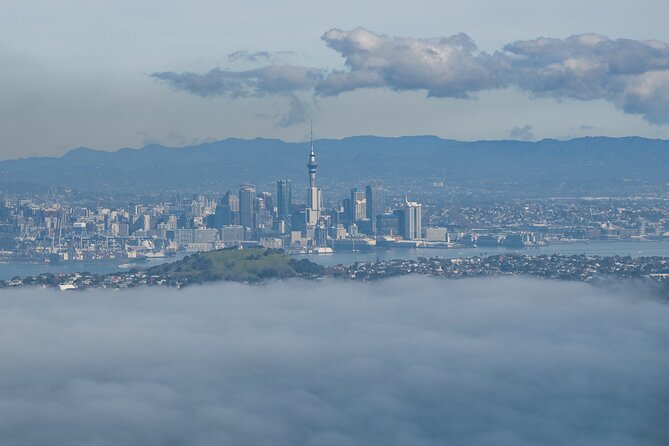
The crossing is one of the best parts of the outing. You get a useful view of Auckland from the water without committing to a long cruise. On a clear day, the cone looks almost perfectly shaped, rising 260 metres above the gulf. The contrast is striking: office towers and harbor traffic behind you, black lava rock and native bush ahead.
Read your confirmation carefully and allow extra time at the terminal. Some ferry arrangements require you to exchange a voucher for a boarding ticket, and the correct pier may not be obvious. Pier 2 has been used for ticket exchange, while boarding may take place at Pier 4. That detail has caused avoidable stress, so do not arrive at the last minute.
The ferry may sell food and drinks on the way to Rangitoto, but the island itself has no shops. I would treat anything purchased onboard as a backup, not your whole meal plan. Bring what you need before you leave Auckland.
More Island Ferry Trips in the world:
- Cape Town: Robben Island Ferry Ticket and Guided Prison Tour
★ 4.1 · 1,792 reviews - Cape Town: Robben Island Ferry Tour with 1-Way Hotel Pickup
★ 4.2 · 1,380 reviews - From Perth or Fremantle: Rottnest Island Ferry and Bus Tour
★ 4.6 · 1,246 reviews
First impressions at Rangitoto Wharf
The ferry drops you at the island’s main wharf. From there, you can begin on foot, join a guided tractor-pulled wagon if that service is part of your booking, or simply enjoy the lower island without attempting the summit.
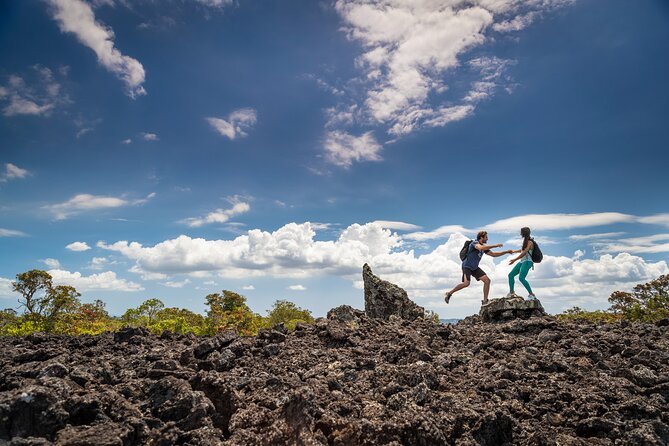
Rangitoto’s setting is unusual because the island’s character comes from volcanic rock rather than grand buildings or formal attractions. Lava flows create rough, dark ground, while native bush pushes through the cracks. Sandy coves and open views break up the rocky terrain.
The island is protected, so facilities are limited. There are no cafés, stores, or convenient rubbish bins. You need to carry your rubbish back with you. That sounds like a small matter, but it changes how you plan the day. Pack light, but pack enough.
The optional walk is important. You do not have to climb to the summit to enjoy Rangitoto. You can stay near the wharf, walk through the lower bush, and enjoy the gulf views from easier points. Still, the summit is the island’s main prize, and I would make the effort if you have steady footing and enough time.
The summit walk and its 350 stairs
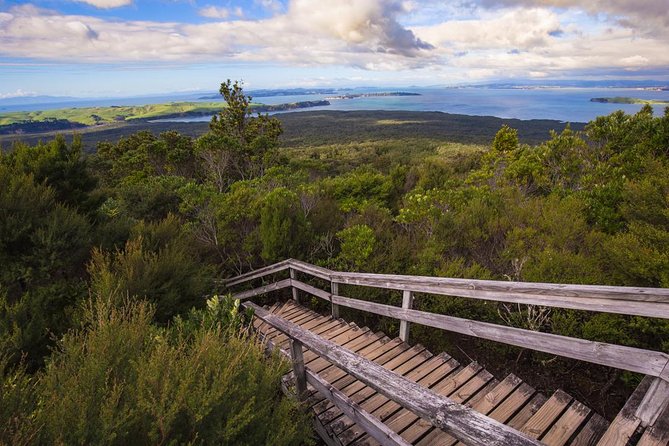
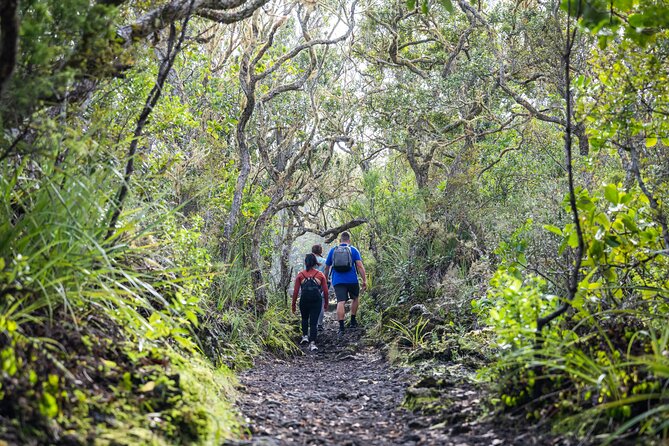
The climb takes about an hour at an easy pace, though the exact time depends on stops and fitness. The route includes boardwalk stairs, with the final climb becoming more demanding. One account describes roughly 350 stairs, so do not mistake this for a flat stroll.
Good shoes matter. The volcanic rock can be uneven and slippery, and several people have fallen or scraped themselves on the rough surface. Supportive footwear is a much better choice than smooth-soled sandals.
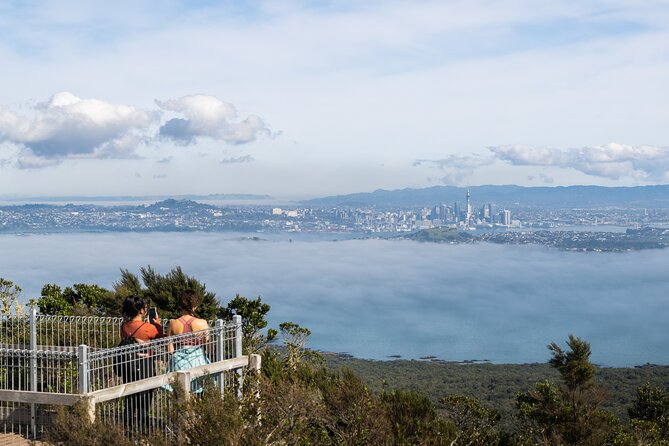
The reward comes in stages. Lookouts appear as you climb, giving you reasons to pause rather than forcing one long push upward. Views spread across Auckland, the Hauraki Gulf, and the neighboring islands. On a bright day, the summit feels open and expansive. On a cloudy day, the cooler conditions may make the climb easier, but weather can change quickly.
Wind and rain are real possibilities. Ponchos have been handed out on wet departures, and conditions at the summit can turn windy and rainy even when the lower wharf feels comfortable. Take rain protection when it is offered, and keep your phone protected.
The summit platform can become crowded or hurried if the ferry timetable is tight. I would not assume you can linger for a long lunch at the top. Take your photographs, enjoy the view, and keep an eye on the time.
Lava caves and black rock fields
The lava caves are one of Rangitoto’s most distinctive features. They offer a change from the summit path and show the island’s volcanic character in a more direct way. Bring a small flashlight only if you are exploring independently and have enough time, since a guided outing may not allow a cave stop.
The lava fields can seem repetitive if you expect a long list of attractions. This is a nature walk on a young volcanic island, not a theme park. Much of the enjoyment comes from noticing how the bush, rock, coves, and views change as you move around.
That distinction matters when deciding if the trip suits you. I love the oddness of walking across volcanic rock with Auckland visible across the water. If you prefer a busy schedule with frequent stops, shops, and indoor attractions, Rangitoto may feel limited.
The lower routes can also be a better choice for anyone who wants to see the island without taking on the full summit climb. The walk is optional, and you can enjoy views from the base. Ask about the available route and the return ferry before setting off.
More Ferry Trips in the world:
- New York City: Statue of Liberty & Ellis Island with Ferry
★ 4.6 · 18,683 reviews - All Inclusive Blue Mountain,Scenic World,Lunch,Koalas,ferry
★ 5.0 · 7,832 reviews - Muir Woods and Sausalito (Return by Bus or Ferry)
★ 4.5 · 5,098 reviews - Blue Mountains Small-Group Tour from Sydney with Scenic World,Sydney Zoo & Ferry
★ 5.0 · 3,709 reviews
What the tractor-pulled wagon adds
Some departures include a guided tour in a 4WD tractor-pulled wagon, sometimes called a road train. This is useful for families, hot days, and anyone who wants to reach the upper part of the island with less uphill walking.
The ride is not smooth. Expect a bumpy, rocky journey over volcanic ground. I would regard the rough ride as part of the island experience, but it may not suit anyone with back problems or a strong dislike of jolting transport.
The wagon lets you see more of the island while saving energy for the boardwalk and stairs near the summit. Guides provide commentary on the island’s geology, plants, conservation work, and past use. Mark, also called Mac, has been praised for an informative and good-humored style.
The tradeoff is time. A guided wagon circuit can occupy much of a half-day outing, leaving less time for independent walking. Some schedules have spent more than 70 percent of the time in the vehicle. Other departures have felt rushed because a ferry delay shortened the visit.
This is the most important booking detail to check. The core Auckland to Rangitoto product is the return ferry, while the supplied information also describes guided wagon tours. Confirm exactly what your $37.23 fare includes before paying, especially if you expect transport around the island. Ferry-only passengers should plan their own walking time. A wagon tour may be sold separately or attached to selected departures.
How much value do you get for $37.23?
At $37.23 per person, the return ferry is a reasonable price for a half-day escape from Auckland, particularly if you value the crossing as part of the experience. You are paying for access to the island and the scenic gulf journey, not for a meal, a hotel transfer, or a full guided program.
The value improves if you are happy to walk independently. You can set your own pace, stop at viewpoints, and decide how far you want to climb. The fare gives you a simple way to reach a major natural feature close to Auckland without arranging a private boat.
The price feels less attractive if you expect a guided island tour, extensive commentary, or transport all the way to the summit. The information supplied for this experience mixes a ferry-only description with accounts of tractor-pulled guided tours, so I would clarify the inclusions before booking.
There are also no hotel transfers. You must reach the downtown terminal yourself, and that makes the trip easiest for anyone already staying or sightseeing in central Auckland. A mobile ticket is convenient, but you still need to allow time for ticket checks, pier changes, and boarding.
The experience accepts a maximum of 24 people for the tour activity, which should make a guided departure more manageable than a very large group. The ferry itself may feel busy on popular weekends and holiday periods.
Timing the four-hour visit
The stated duration is about four hours. That is enough for the ferry ride, a visit to the island, and a summit attempt if you keep moving. It is not generous if you want the summit, lava caves, lunch, and a relaxed walk around the lower island.
I would make the return ferry your fixed point. Before leaving the wharf, confirm the departure time and where you need to board. Then work backward:
- Allow time for the ferry crossing in both directions.
- Reserve about an hour for the summit walk, plus pauses.
- Add extra time if you want the lava caves.
- Keep a buffer for photographs, rest, and route finding.
- Return to the wharf early rather than racing down the path.
A delayed first ferry can shorten the island visit. In that situation, the guide may need to cut stops, and you may not have time for the caves. If your Auckland day has a firm cruise departure or another appointment, do not treat this as a loose, flexible outing.
Some ferry services stop at Devonport on the return journey. That can create a longer Auckland day if your ticket and schedule allow it, but you should not assume that every departure includes the same stop or timing. Check the sailing details before making extra plans.
Food, weather, and what to carry
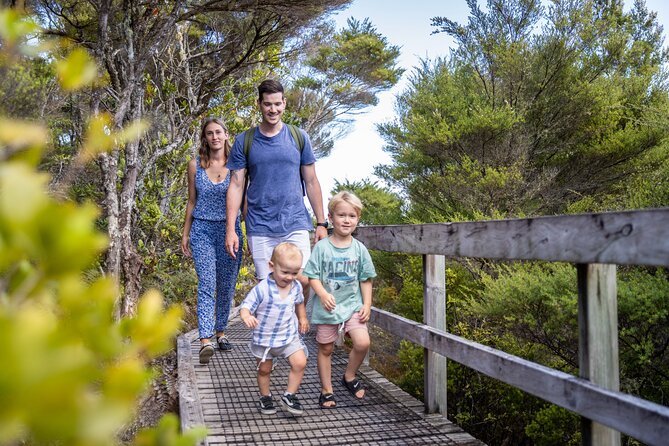
The practical packing list is short but important:
- Water
- Snacks or lunch
- Sunscreen
- A hat
- Supportive walking shoes
- Light rain protection
- A small flashlight if you plan to explore lava caves independently
There are no shops on Rangitoto, and rubbish must be carried back to Auckland. Do not rely on finding a cold drink or a quick snack after landing.
The weather can change the entire feel of the day. Heat makes the exposed climb tiring, while rain makes the rock and stairs more slippery. A cloudy day may offer cooler walking conditions, but wind and rain can arrive at the summit. Check the forecast and dress for movement rather than city sightseeing.
The island is not ideal for anyone who needs frequent facilities or an easy, fully paved route. Most people can take part, but the summit walk includes stairs and uneven ground. The walk is optional, so a less active day remains possible, but you should decide your limits before setting out.
Who should book this ferry trip?
I would recommend the experience to first-time Auckland visitors, independent walkers, families who plan carefully, and anyone interested in volcanic scenery close to the city. It is especially good for people who enjoy a simple outdoor outing more than a packed attraction schedule.
The trip also works well as an alternative to a costly cruise-ship excursion, provided you leave enough time to return to your ship. The ferry ride is short, the island feels different from central Auckland, and the summit views justify the effort.
I would hesitate if you dislike steep paths, rough vehicle rides, or strict ferry timetables. I would also hesitate if you expect the booking to include a full guided tour without confirming it first. Some people have found the wagon ride too bumpy, while others loved it because it made the summit more manageable.
The most praised parts are consistent: the views, the unusual volcanic rock, friendly guides, and useful commentary about conservation and island history. The common weak points are also clear: confusing pier instructions, limited time, no food or water on the island, and insufficient time for every stop.
Should you book the Auckland to Rangitoto ferry?
Book it if you want a half-day in open air with a memorable ferry crossing and a real volcanic walk. I especially recommend it if you are willing to carry your own supplies and treat the timetable seriously.
Choose the ferry-only option if you prefer freedom and can manage the summit walk yourself. Choose a tractor-pulled wagon tour only after confirming that it is included, since it may save energy but reduce independent walking time.
Book at least three full days ahead if your plans might change. Cancellations made within three days are not refundable, and last-minute changes are not accepted. With the right shoes, enough water, and a clear return plan, Rangitoto offers one of Auckland’s most unusual easy escapes.
FAQ
How long is the ferry ride from Auckland to Rangitoto?
The ferry crossing takes about 25 minutes each way across the Hauraki Gulf.
Where does the ferry depart from?
The meeting point is the downtown terminal on Quay Street in Auckland Central, Auckland 1010.
Is food available on Rangitoto Island?
No. There are no shops on the island, so bring your own food, drinks, snacks, sunscreen, and water. Food and beverages may be purchased on the ferry.
Do I have to walk to the summit?
No. The summit walk is optional. You can stay near the base and enjoy the island and its views without climbing the stairs.
How difficult is the summit walk?
The walk takes about an hour at an easy pace and includes boardwalk stairs. It can be steep and uneven, so supportive shoes are recommended.
Can I cancel for a full refund?
You can receive a full refund if you cancel at least three full days before the experience start time. Cancellations within three days are not refundable.
Just added around the world
- Private Tangier Tour from Ferry /Cruise ship Including Lunch★ 3.8 · 12 reviews
- Old Town Alexandria in a Day with Round Trip Ferry Cruise★ 4.5 · 17 reviews
- Lake Como: Villa Carlotta Entry Tickets with Ferries★ 4.1 · 5 reviews
- Ferry tickets from Tarifa Spain to Tangier port in Morocco★ 4.5 · 16 reviews
- Victoria & Butchart Gardens Tour with Gulf Island Ferry★ 4.0 · 7 reviews
- Full day Tangier Tour from Cruise or ferry from tarifa★ 4.5 · 5 reviews
- Tangier Private Tour from Tarifa with Express Ferry★ 5.0 · 7 reviews
- Salou to Cambrils Round Trip Ferry★ 4.5 · 7 reviews
Island Ferry Trips, compared.

Robben Island Ferry Ticket and Guided Prison Tour
Read our review →
Robben Island Ferry Tour with 1-Way Hotel Pickup
Read our review →
Fitzroy Island Ferry with Optional Lunch & Activity
Read our review →
Robben Island Ferry with Prison Ticket and Tour
Read our review →Browse the lists this tour appears in